As we move toward a zero-dollar per kilowatt-hour solar energy cost, many disruptive, energy-intensive businesses are likely to emerge worldwide from the next 3 years. More and more products and services will be localized, redefining global trade and cultural exchange. To capture the potential of these businesses, it is important to:
-
Quantify the specific energy requirements of the business activities (e.g., kWh/article produced) and the volume of energy needed.
-
Assess power consumption flexibility (e.g., modular production units) and time-of-use flexibility. ⚡️
For example, the following three businesses could be fully powered by local solar power plants:
1- Clay brick firing 🏠: The housing crisis can be mitigated by adopting solar energy for brick manufacturing. Unlike cement-based bricks, which often require different materials to be transported to the production site, clay brick is a 100% local solution that only needs energy.

2- Data center - power-cooling 💻: Solar power in combination with a ground-source heat pump can be the perfect solution to give community control over their data storage location. As artificial intelligence applications are about to surge, data collection, processing, and storage will require more and more power, which can be provided 100% by solar.

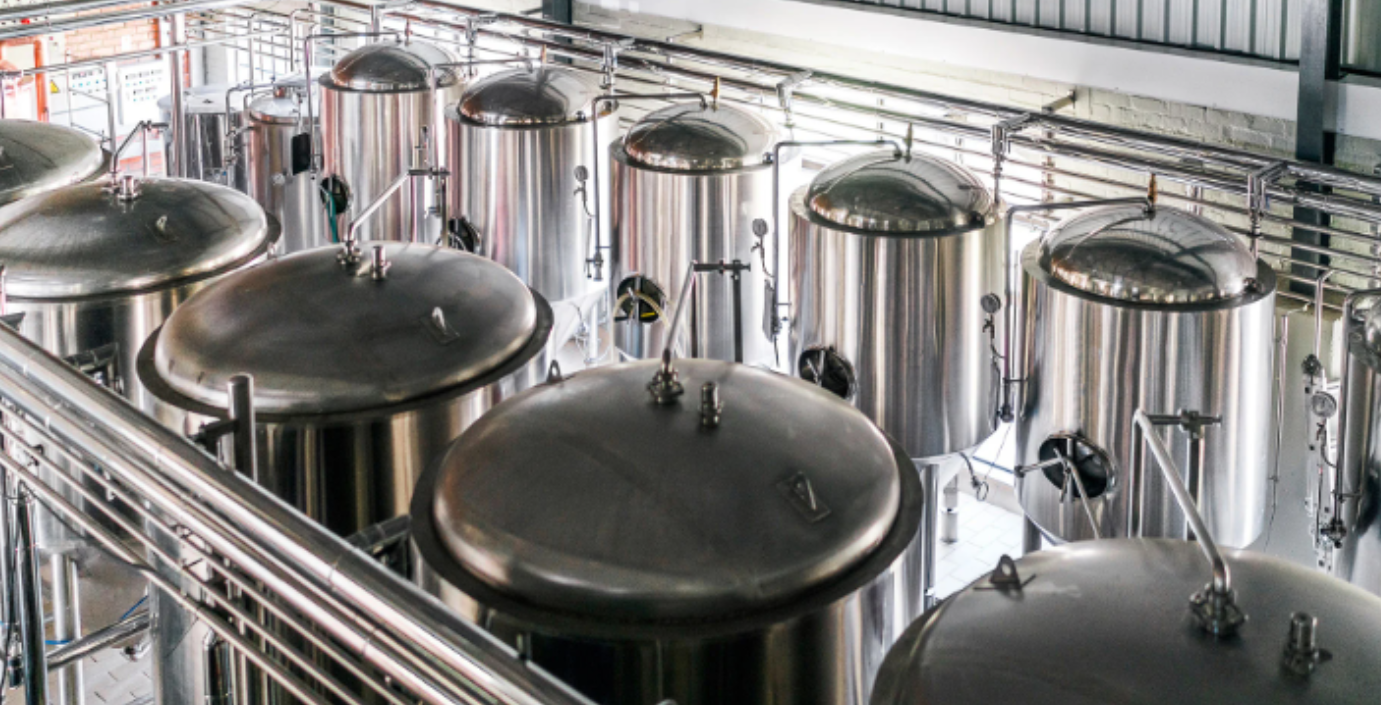
3- Precision agriculture 🥛: Technologies such as precision fermentation for milk production, hydroponics for vegetable growing need mostly energy and water to thrive. Using solar panels for rainwater collection or sea water desalination, solar power becomes a business enabler to boost local food security.
Many more businesses in the areas of electric transport, fertilizer production, aluminum ore refining will bring disruption to the global economy. What businesses with high energy needs are likely to benefit from the solar revolution within the next decades?
------------------------------
Elias OUEDRAOGO
Business Developer
Future Energy Company
------------------------------